
Before We Make New Water, Are We Using the Water We Already Have?
When a city starts running short of water, the obvious question is:
Where can we find more?
A new reservoir?
Groundwater?
Desalination?
But there is another question that doesn't always get asked first: What are we doing with the water we already have?
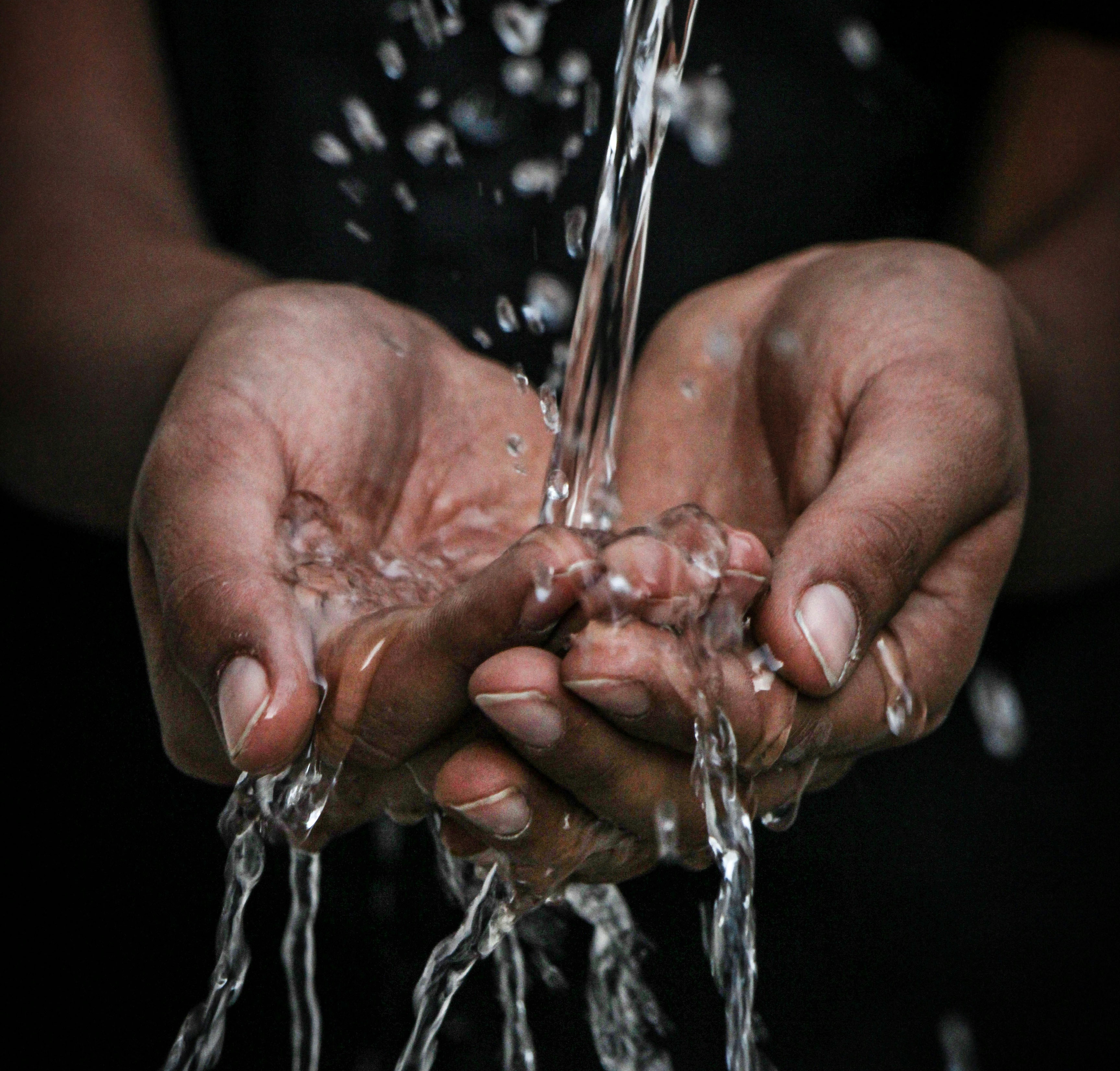
Corpus Christi, Texas, is providing an interesting real-world example right now. The South Texas city has been dealing with years of drought and growing water demand. Recent rainfall has improved reservoir levels, but the city's long-term water supply remains a serious concern. And this week, that concern was back in the headlines.
A Nearly $1 Billion Decision
On September 1, the Corpus Christi City Council voted 5–3 against moving forward with a proposed seawater desalination plant. The project was expected to cost approximately $979 million and produce about 30 million gallons of drinking water per day.
Supporters saw it as a drought-resistant new water source. Opponents raised concerns about cost, location and the environmental effects of discharging concentrated saltwater back into Corpus Christi Bay. That debate will probably continue.
But while the billion-dollar desalination project was attracting attention, another water project was quietly moving forward. And instead of creating a new source of water, this one starts with water the city already has.
From Wastewater to Water Supply
Corpus Christi is building a major reclaimed-water system connecting its Oso and Greenwood water-reclamation facilities. The city approved a $107.5 million construction contract this summer, and work is now underway. Once completed, the project is expected to make an additional 11 million gallons per day of reclaimed water available, bringing the city's total non-potable reuse capacity to as much as 16 million gallons per day.
That water isn't intended for drinking. It doesn't need to be. Much of it can instead supply industrial users. Corpus Christi has already entered a 30-year agreement allowing Valero to use up to 8 million gallons per day of recycled water from the Greenwood facility for industrial operations. Every gallon supplied that way is a gallon that doesn't have to come from the city's potable water supply.
Construction is no longer theoretical, either. On September 1, the city announced road closures specifically because crews are installing the new reclaimed-water pipeline.
Maybe “New Water” Isn't Always New
Desalination can absolutely be part of a water-supply portfolio. So can groundwater, reservoirs, conservation and other technologies. Corpus Christi will almost certainly need several approaches. But its reclaimed-water project raises a broader question that applies far beyond Texas:
Before we spend enormous amounts of money creating new water supplies, are we making full use of the water already moving through our communities?
Wastewater arrives at a treatment plant every day. We clean it. And in many places, much of it is still discharged. What if we began looking at that water differently? Not as something we're finished with. But as a resource that hasn't finished being useful.
The Infrastructure Question Again
Last week, we looked at data centers and asked whether the water and energy infrastructure supporting AI is keeping pace with the technology itself. Corpus Christi brings us back to the same idea from a different direction. Infrastructure decisions shape water availability for decades. The smartest solution isn't necessarily one giant project. Sometimes resilience comes from connecting systems that already exist.
A wastewater treatment plant.
A pipeline.
An industrial customer that doesn't require drinking-quality water.
Put those pieces together, and wastewater suddenly becomes part of the water supply.
That doesn't eliminate scarcity. But it changes the equation. And as water becomes harder and more expensive to secure, perhaps one of the most valuable sources of “new” water will be the water we've already used once.
💧 Water Thought of the Week
Before we ask where our next gallon of water will come from, maybe we should ask whether we're finished with the last one.
At Expiatech, we believe the future of water isn't finding more—it's making better use of the water we already have.
Sources
The Texas Tribune — September 1, 2026 Corpus Christi, still in need of long-term water sources, again rejects desalination plant Read the Texas Tribune report
City of Corpus Christi — June 30, 2026 Council Approves Phase 2 of the Reclaimed Water for Industrial Use Project Corpus Christi project announcement
City of Corpus Christi — September 1, 2026 Water Line Work on Holly Road near Rodd Field to Close Roadway Section — confirmation that reclaimed-water pipeline construction is now underway. Corpus Christi construction update
City of Corpus Christi — January 13, 2026 City Council Approves 30-Year Recycled Water Agreement with Valero Refining Corpus Christi–Valero recycled-water agreement


